

The Future of Motorsports: Trends and Innovations Shaping the Track

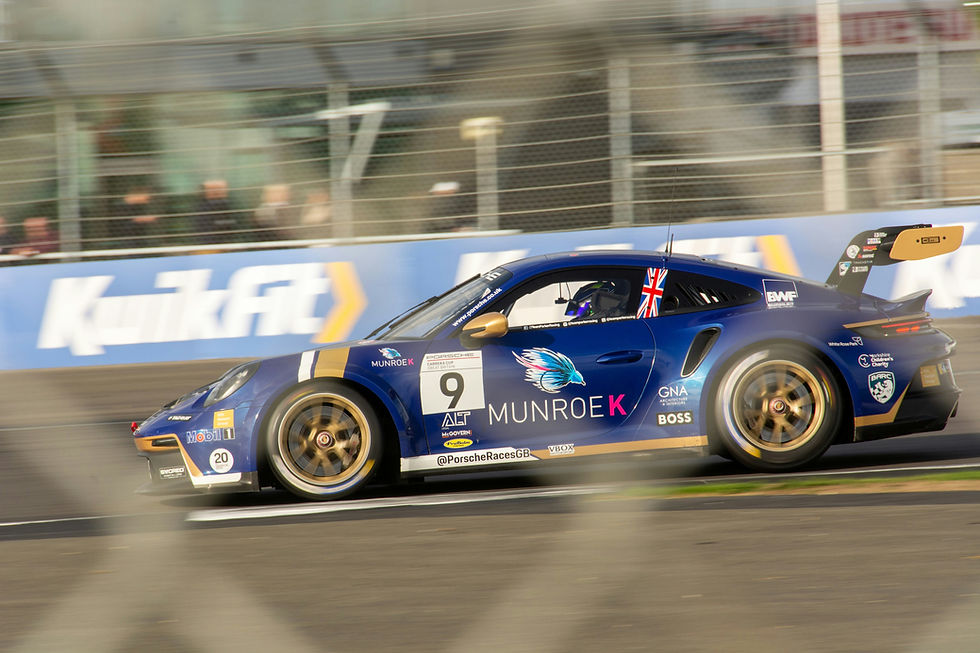
Motorsports has always been at the cutting edge of technology and entertainment, constantly evolving to captivate fans and push the boundaries of performance. As the world changes, so too does the sport, embracing new trends, technologies, and challenges. This blog explores the exciting future of motorsports and the innovations that promise to redefine racing as we know it.
The Rise of Electric Racing
One of the most significant shifts in motorsports is the growing prominence of electric racing. With sustainability becoming a priority, series like Formula E and Extreme E are leading the charge. Formula E has established itself as a competitive and eco-conscious alternative to traditional motorsports, featuring electric cars that rival their internal combustion counterparts in speed and performance.
Extreme E takes sustainability a step further by highlighting climate change issues through races in remote, environmentally sensitive locations. These series showcase the potential of electric powertrains while raising awareness about global environmental challenges.
Integration of Artificial Intelligence
AI is set to revolutionize motorsports in numerous ways, from improving race strategies to enhancing fan experiences. Teams already use AI for data analysis, optimizing car setups, and predicting race outcomes. In the future, AI-powered simulators and virtual assistants could play an even more significant role, providing real-time insights and decision-making support during races.
For fans, AI-driven tools will create personalized experiences, offering tailored content, race predictions, and interactive virtual reality (VR) features that bring the action closer than ever before.
Autonomous Racing: A New Frontier
While traditional motorsports celebrates human skill, autonomous racing is carving out its niche. Competitions like Roborace push the boundaries of self-driving technology, testing algorithms in high-stakes, high-speed environments. These advancements are expected to influence the development of autonomous road vehicles, making them safer and more reliable.
Autonomous racing also raises philosophical questions about the essence of motorsports. As machines take over the driver’s seat, the emphasis shifts to engineering prowess and programming—a fascinating evolution of the sport.
The Role of Sustainability
The motorsports industry is increasingly focused on reducing its environmental impact. From adopting biofuels and hydrogen-powered engines to implementing carbon-neutral policies, sustainability is a central theme for the future. Events like the 24 Hours of Le Mans are experimenting with alternative energy sources, setting an example for others to follow.
Moreover, manufacturers are leveraging motorsports to develop and showcase sustainable technologies, accelerating their adoption in mainstream vehicles.
Enhanced Fan Engagement
The future of motorsports isn’t just about the cars; it’s also about the fans. With advancements in technology, fan engagement is becoming more immersive and interactive. Augmented reality (AR) and virtual reality (VR) experiences allow fans to step into the driver’s seat, explore pit lanes, and feel the thrill of the race from anywhere in the world.
Esports and sim racing are also playing a significant role in connecting with younger audiences. Platforms like iRacing and F1 Esports provide an accessible entry point for fans to experience motorsports and even compete at professional levels.
Globalization and Inclusivity
Motorsports is expanding its reach to new markets and demographics. Emerging countries are hosting more races, bringing the sport to diverse audiences. Additionally, initiatives like "We Race As One" and programs to support female drivers and underrepresented groups are fostering inclusivity, ensuring that motorsports remains relevant and inspiring for future generations.
Cutting-Edge Vehicle Designs
The cars of tomorrow will look and perform differently from today’s machines. Advanced materials, modular designs, and adaptive technologies will redefine racing vehicles. Features like shape-shifting aerodynamics, energy recovery systems, and AI-assisted controls promise to create faster, safer, and more efficient cars.
Concepts such as hypercars and flying cars are no longer confined to science fiction. Some motorsports organizations are exploring these possibilities, envisioning a future where racing takes place in three dimensions.
Conclusion
The future of motorsports is as dynamic and exciting as the races themselves. With innovations in electric power, AI, autonomous technology, and sustainability, the sport is poised to enter a new era. Enhanced fan experiences and a commitment to inclusivity will ensure motorsports remains a global phenomenon that inspires and entertains.
As motorsports accelerates into the future, it continues to embody the spirit of innovation and competition. Whether on the ground, in the air, or in the digital realm, the thrill of the race is here to stay.

Comments